
Sciatica Treatment in New Jersey: Symptoms, Causes, and Relief Options
Aug 26, 2026
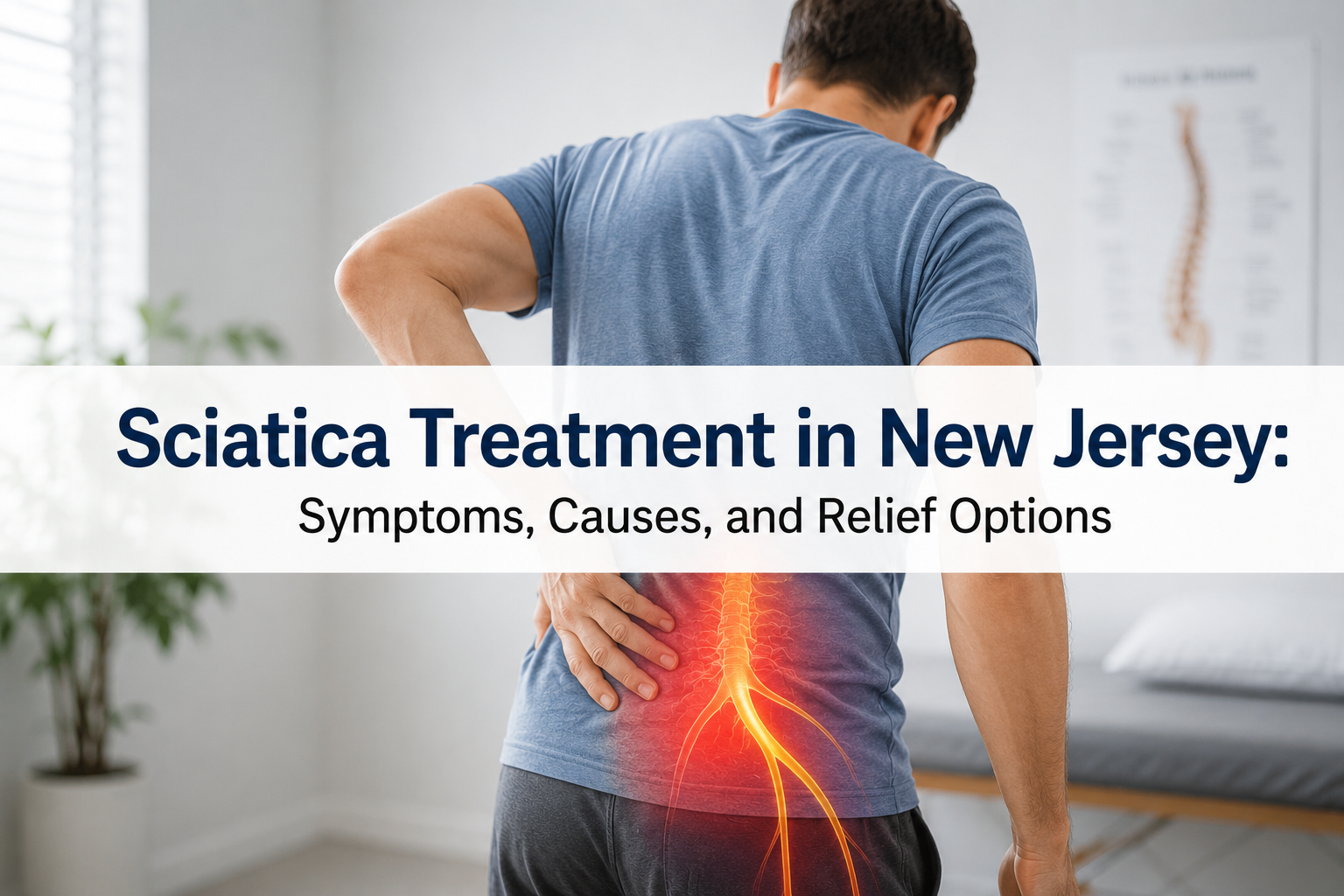
Sciatica can cause sharp, burning, or radiating pain that travels from the lower back into the buttocks and down the leg. For many people, this type of nerve pain can make everyday activities such as walking, sitting, sleeping, and working difficult.
GSMC is led by Dr. Dharam Mann, who completed fellowships in pain management, cardiac anesthesia and critical care at Massachusetts General Hospital/Harvard.
If you are searching for sciatica treatment in New Jersey, Garden State Medical Center provides comprehensive evaluation and treatment options for patients experiencing chronic or acute nerve and spine-related pain. With a patient-focused approach, our experienced medical professionals offer personalized care designed to identify the source of pain and help patients improve their mobility and quality of life.
Garden State Medical Center provides specialized services in Interventional Pain Management, Orthopedic Spine, Sports and Regenerative Medicine, and Rheumatology, offering a multidisciplinary approach to conditions that cause back, nerve, joint, and musculoskeletal pain.
What Is Sciatica?
Sciatica is not a disease by itself. It is a term used to describe pain caused by irritation or compression of the nerve roots that contribute to the sciatic nerve.
The sciatic nerve is the largest nerve in the body. It begins in the lower back, travels through the buttocks, and extends down into the legs.
When a nerve root in the lumbar spine becomes compressed or irritated, pain may travel along this pathway. This can lead to symptoms ranging from mild discomfort to severe shooting pain, numbness, tingling, or weakness.
Symptoms of Sciatica
Sciatica symptoms can vary from person to person depending on the location and severity of nerve irritation. The pain often starts in the lower back or buttock and travels down the back or side of the leg.
Common symptoms include:
- Sharp or shooting pain in the lower back or leg
- Burning or electric-shock-like sensations
- Pain that travels from the buttock down the leg
- Tingling or “pins and needles”
- Numbness in the leg or foot
- Muscle weakness
- Pain that worsens with prolonged sitting
- Increased discomfort when coughing or sneezing
In many cases, sciatica affects one side of the body.
If you are experiencing persistent radiating leg pain, a professional evaluation can help determine whether sciatica or another condition is responsible for your symptoms.
When Should You See a Doctor for Sciatica?
Mild sciatica may improve with conservative care and time. However, persistent or worsening symptoms should not be ignored.
You should consider medical evaluation if:
- Pain lasts longer than several days or continues to worsen
- Sciatica is interfering with daily activities
- You experience increasing numbness or tingling
- You develop weakness in the leg or foot
- The pain becomes severe
Seek immediate medical attention if you experience sudden weakness, loss of sensation, difficulty controlling your bladder or bowels, or severe symptoms following a significant injury.
What Causes Sciatica?
Sciatica occurs when the nerve roots in the lower spine become compressed, irritated, or inflamed.
Herniated Disc
A herniated disc is one of the most common causes of sciatica. Spinal discs act as cushions between the vertebrae. When the inner portion of a disc pushes through a weakened outer layer, it can place pressure on a nearby nerve root.
This pressure may cause pain that radiates from the lower back into the buttock and leg.
Bone Spurs
Age-related changes in the spine can lead to the development of bone spurs, also known as osteophytes. These bony growths may narrow the spaces around spinal nerves and contribute to nerve compression.
Spinal Stenosis
Spinal stenosis occurs when the spaces within the spine become narrower, potentially placing pressure on the nerves. In some cases, this can produce symptoms similar to sciatica.
Other Conditions
Less commonly, sciatica-like symptoms may be associated with other spinal conditions or abnormalities that place pressure on the nerves.
Risk Factors for Sciatica
Several factors may increase the likelihood of developing sciatica.
Age
Changes in the spine become more common over time. Herniated discs, degenerative disc changes, and bone spurs may increase the risk of nerve compression.
Excess Weight
Additional body weight can place increased stress on the lower back and spinal structures.
Physically Demanding Work
Jobs that involve frequent bending, twisting, lifting, or prolonged driving may contribute to back and disc problems.
Prolonged Sitting
Spending long periods in a seated position, especially without regular movement, may place stress on the lower back and contribute to discomfort.
Diabetes
Diabetes may increase the risk of certain types of nerve damage, which can contribute to nerve-related symptoms.
Sciatica Treatment in New Jersey at Garden State Medical Center
At Garden State Medical Center, treatment begins with understanding the underlying cause of your symptoms. Not all radiating leg pain is caused by the same condition, which is why an accurate evaluation is important.
Depending on the cause and severity of your condition, our medical team may recommend a personalized treatment plan focused on reducing pain, improving function, and supporting mobility.
Our approach may include services such as:
Interventional Pain Management
Interventional pain management focuses on identifying and treating pain using minimally invasive techniques when appropriate. Treatment options may be considered for conditions involving chronic pain, nerve pain, and spine-related discomfort.
Orthopedic Spine Care
Spine-related conditions can contribute to back pain, nerve compression, and radiating leg symptoms. Orthopedic spine specialists can evaluate structural conditions affecting the spine and recommend appropriate treatment options.
Sports and Regenerative Medicine
Certain musculoskeletal conditions can contribute to pain and mobility problems. Sports and regenerative medicine focuses on evaluating injuries and conditions that affect movement and physical function.
Rheumatology
Some inflammatory and autoimmune conditions can cause symptoms involving the joints, muscles, and surrounding tissues. Rheumatology care may help evaluate conditions that contribute to chronic pain and inflammation.
Garden State Medical Center takes a comprehensive approach to patient care, helping individuals understand their condition and explore appropriate treatment options.
Can Sciatica Cause Complications?
Many people recover from sciatica without permanent nerve problems. However, prolonged or severe nerve compression may lead to complications.
Seek prompt medical care if you notice:
- Progressive weakness in the leg
- Loss of sensation
- Difficulty walking
- Loss of bowel or bladder control
Early evaluation is especially important when symptoms are severe or worsening.
How to Help Prevent Sciatica
Sciatica cannot always be prevented, particularly when age-related or structural changes affect the spine. However, healthy habits may help reduce stress on the lower back.
Exercise Regularly
Regular physical activity can strengthen the muscles that support the spine. Core-strengthening and flexibility exercises may help improve posture and spinal stability.
Practice Good Posture
When sitting, use a chair that provides proper lower-back support. Keep your body aligned and avoid remaining in the same position for extended periods.
Lift Safely
When lifting objects, bend your knees and use your leg muscles rather than placing excessive strain on your back. Keep the object close to your body and avoid twisting while lifting.
Take Movement Breaks
If you sit or stand for long periods, take regular breaks to move and change positions.
Maintain a Healthy Weight
Maintaining a healthy weight may help reduce additional stress on the spine and supporting structures.
Want a step-by-step look at each option, from home care to injections? Read Dr. Mann’s guide to sciatica treatment options and what to expect.
Find Relief With Sciatica Treatment in New Jersey
Living with radiating back or leg pain can affect nearly every part of daily life. If your symptoms are persistent, worsening, or interfering with your ability to stay active, a proper medical evaluation can help identify the source of your discomfort.
For patients seeking sciatica treatment in New Jersey, Garden State Medical Center provides comprehensive care for back pain, nerve pain, and other musculoskeletal conditions. Through services including Interventional Pain Management, Orthopedic Spine, Sports and Regenerative Medicine, and Rheumatology, our medical professionals focus on evaluating the underlying cause of symptoms and developing individualized treatment recommendations.
We treat sciatica at our Toms River office, as well as in Freehold, Manahawkin and our other New Jersey offices.
Garden State Medical Center serves patients across multiple New Jersey communities, including Barnegat, Brick, Toms River, Manahawkin, West Long Branch, Whiting, and Freehold.
If you are experiencing symptoms of sciatica, schedule an evaluation to discuss your condition and explore treatment options appropriate for your individual needs.