

Muscle Guarding & Pinched-Nerve Twitching: When to See a Pain Specialist
Nov 5, 2026
Have you ever had a back or neck muscle lock up and refuse to let go? Or noticed a small, repeated twitch in your arm or leg that won't stop? These are two common ways the body reacts to pain and nerve irritation. Usually they settle down on their own. When they don't, they can be a sign of a deeper problem that is worth having checked.
What Is Muscle Guarding?
Muscle guarding is your body's built-in protection. When something hurts, like an irritated spinal joint, a bulging disc, or a strained tendon, the muscles around it tighten to keep that area from moving. In the short term this is helpful. If the tightness continues for weeks, though, it can cause problems of its own: stiffness, aching, knots that feel tender to the touch, and a cycle where the pain causes tension and the tension causes more pain.
Common signs include:
- A tight, "locked" feeling in the low back, neck, or shoulders
- Pain that gets worse when you try to bend, twist, or turn your head
- Firm, tender spots in the muscle (often called trigger points)
- Changing how you sit, stand, or walk to avoid the pain
What Causes Pinched-Nerve Twitching?
A nerve can become irritated or compressed where it leaves the spine, for example from a herniated disc, spinal stenosis, or arthritis in the spinal joints. Besides pain, an irritated nerve can send mixed signals to the muscles it controls. Some people feel this as twitching or fluttering under the skin. It often comes with tingling, numbness, weakness, or pain that travels down an arm (cervical radiculopathy) or a leg (sciatica).
Occasional twitching is very common and usually harmless, often tied to stress, caffeine, poor sleep, or exercise. Twitching that comes with pain that radiates, numbness, or weakness should be looked at by a doctor.
When to See a Pain Specialist
Consider an evaluation if:
- Muscle tightness or spasm has lasted more than a few weeks despite rest, stretching, or physical therapy
- Pain travels into your arm or leg
- You notice numbness, tingling, or weakness
- The pain is affecting your sleep, work, or daily activities
Seek emergency care right away if you have sudden severe weakness, loss of bladder or bowel control, or numbness in the groin area.
How Dr. Mann Finds the Source
Guarding and twitching are often responses to a problem rather than the problem itself. At Garden State Medical Center, Dr. Dharam Mann starts with a careful history and exam and reviews any imaging to find what is driving the symptoms. Is it the muscle, a spinal joint, or a nerve root? The right treatment depends on the answer.
When Injections Can Help
If conservative care hasn't been enough, targeted injections may calm the source of pain so the muscles can relax and you can get more out of therapy:
- Trigger point injections treat tight, tender knots in the muscle directly.
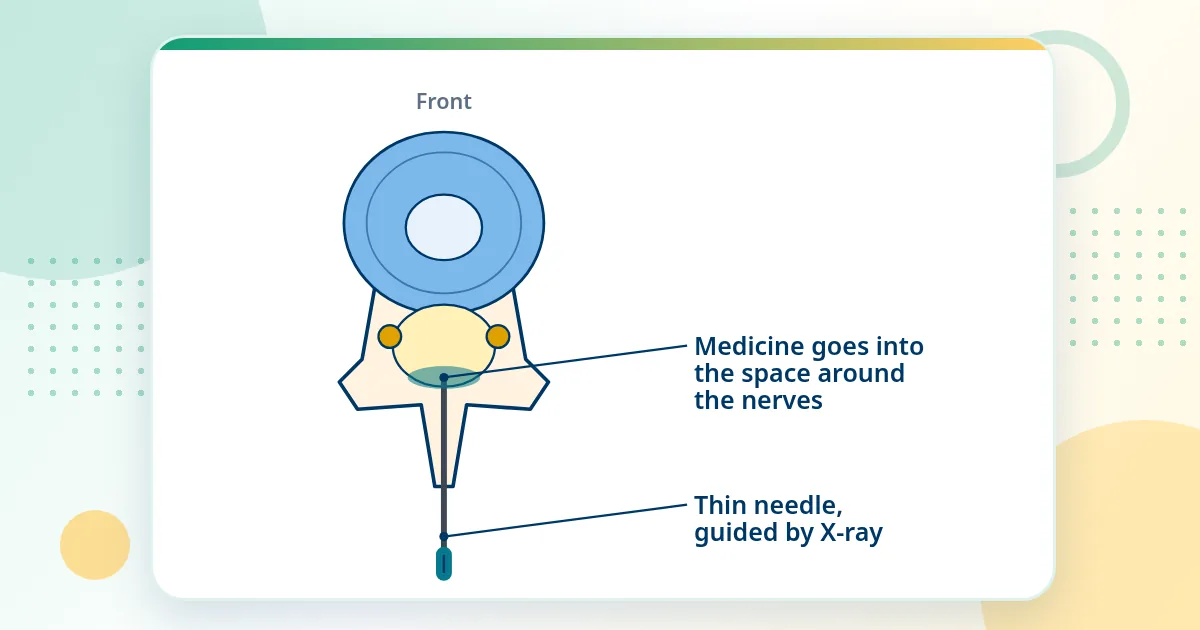
- Epidural steroid injections reduce inflammation around an irritated nerve root, which may ease radiating pain and related muscle symptoms.
- Facet joint injections and radiofrequency ablation target painful spinal joints that often trigger protective muscle spasm.
When Neuromodulation May Be an Option
For nerve pain that continues for months despite other treatments, neuromodulation may be worth discussing. These therapies use mild electrical signals to change how pain messages travel to the brain. Options Dr. Mann offers include spinal cord stimulation and peripheral nerve stimulation. Most patients try a temporary trial first to see how well it works for them before deciding on a longer-term device.
For long-lasting low back pain that starts in the vertebrae themselves, Dr. Mann also performs Intracept (basivertebral nerve ablation).
Not every patient is a candidate for every treatment. Dr. Mann will review the options that fit your condition, goals, and health history.
Get Evaluated in Toms River
If muscle guarding or nerve twitching is keeping you from feeling like yourself, we can help you find out why. Visit our Toms River office at 1314 Hooper Ave or any of our Garden State Medical Center locations across Monmouth and Ocean County.
Request a consultation with Dr. Mann
This article is for general education and is not a substitute for medical advice. Please talk with a doctor about your symptoms.
Talk with a GSMC specialist
We will review your history and imaging and explain your options. Many plans, including Medicare, are accepted. We verify benefits before scheduling procedures.