

Nociplastic Pain: When Your Pain Is Real but Tests Look Normal
Nov 5, 2026
Have you been told your tests look "normal," yet you still hurt every day? Many people with long-lasting pain hear this and wonder if anyone believes them. Doctors now have a name for one important type of pain that helps explain this experience: nociplastic pain. Your pain is real. Understanding it can open the door to a treatment plan that fits.
The Three Types of Pain
Pain specialists generally describe three broad types:
- Nociceptive pain comes from injury or inflammation in tissue, such as an arthritic joint or a sprained ankle.
- Neuropathic pain comes from damage or irritation to a nerve, such as sciatica or diabetic neuropathy. Learn more about neuropathic pain.
- Nociplastic pain happens when the nervous system itself becomes more sensitive and amplifies pain signals, even without clear ongoing tissue or nerve damage.
Many patients have a mix. For example, someone with a back injury may develop a more sensitive nervous system over time, so the pain spreads or lingers after the original injury has healed.
What Does Nociplastic Pain Feel Like?
It can look different from person to person, but common features include:
- Widespread pain or pain that moves around the body
- Pain that seems out of proportion to what imaging or tests show
- Sensitivity to touch, pressure, temperature, light, or sound
- Fatigue, poor sleep, and trouble concentrating ("brain fog")
- Flares triggered by stress, illness, or overdoing activity
Fibromyalgia is a well-known example. Nociplastic features can also show up in chronic low back pain, chronic headaches, and other long-term pain conditions.
Why Does It Happen?
Think of your nervous system like a volume knob for pain. After long periods of pain, stress, or poor sleep, that knob can get turned up. The brain and spinal cord start processing normal signals as painful, a process often called central sensitization. This is not "in your head" in the dismissive sense. It is a real change in how the nervous system works.
How Is It Diagnosed?
There is no single test for nociplastic pain. Diagnosis comes from a detailed history, a physical exam, and ruling out other causes. At Garden State Medical Center, Dr. Dharam Mann looks at the whole picture: where the pain started, how it has changed, and whether there are specific pain generators, like a nerve or spinal joint, that can be treated directly alongside the nervous-system component.
Treatment: A Whole-Person Approach
Because nociplastic pain involves the nervous system as a whole, the best results usually come from combining approaches rather than relying on one fix:
- Movement and therapy: gradual, guided activity to rebuild tolerance without triggering flares
- Sleep and stress care: improving sleep and managing stress can help turn the "volume" down
- Medications: certain non-opioid medications that act on nerve signaling may help some patients
- Treating specific pain sources: when a clear contributor is found, targeted options such as trigger point injections or epidural steroid injections may reduce the input that keeps the system sensitized
Where Advanced Treatments Fit
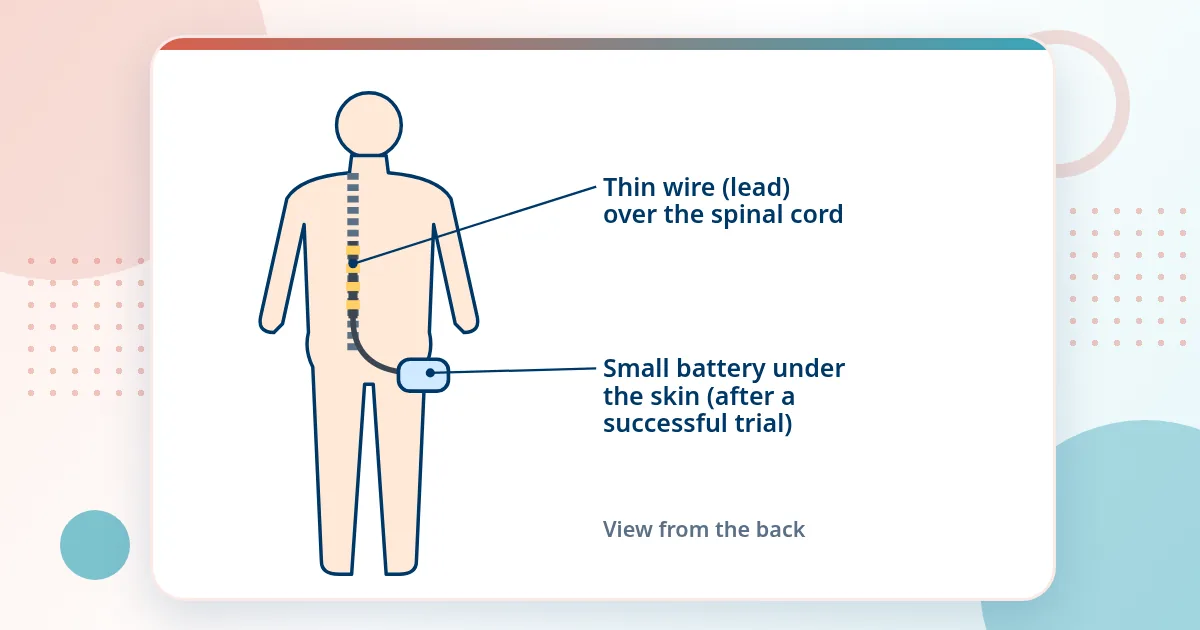
For some patients with stubborn, long-term pain, Dr. Mann may discuss options such as ketamine infusion therapy or neuromodulation, including spinal cord stimulation and peripheral nerve stimulation. In selected patients, PRP therapy may be considered for a specific joint or tendon problem that adds to the overall pain. These are not right for everyone. Dr. Mann will explain whether they make sense for your situation and what to realistically expect.
You Don't Have to Figure It Out Alone
If you have been living with pain that doesn't match your test results, a pain specialist can help you understand what's going on and build a plan. Visit our Toms River office at 1314 Hooper Ave or another Garden State Medical Center location in Monmouth and Ocean County.
Request a consultation with Dr. Mann
This article is for general education and is not a substitute for medical advice. Please talk with a doctor about your symptoms.
Talk with a GSMC specialist
We will review your history and imaging and explain your options. Many plans, including Medicare, are accepted. We verify benefits before scheduling procedures.